
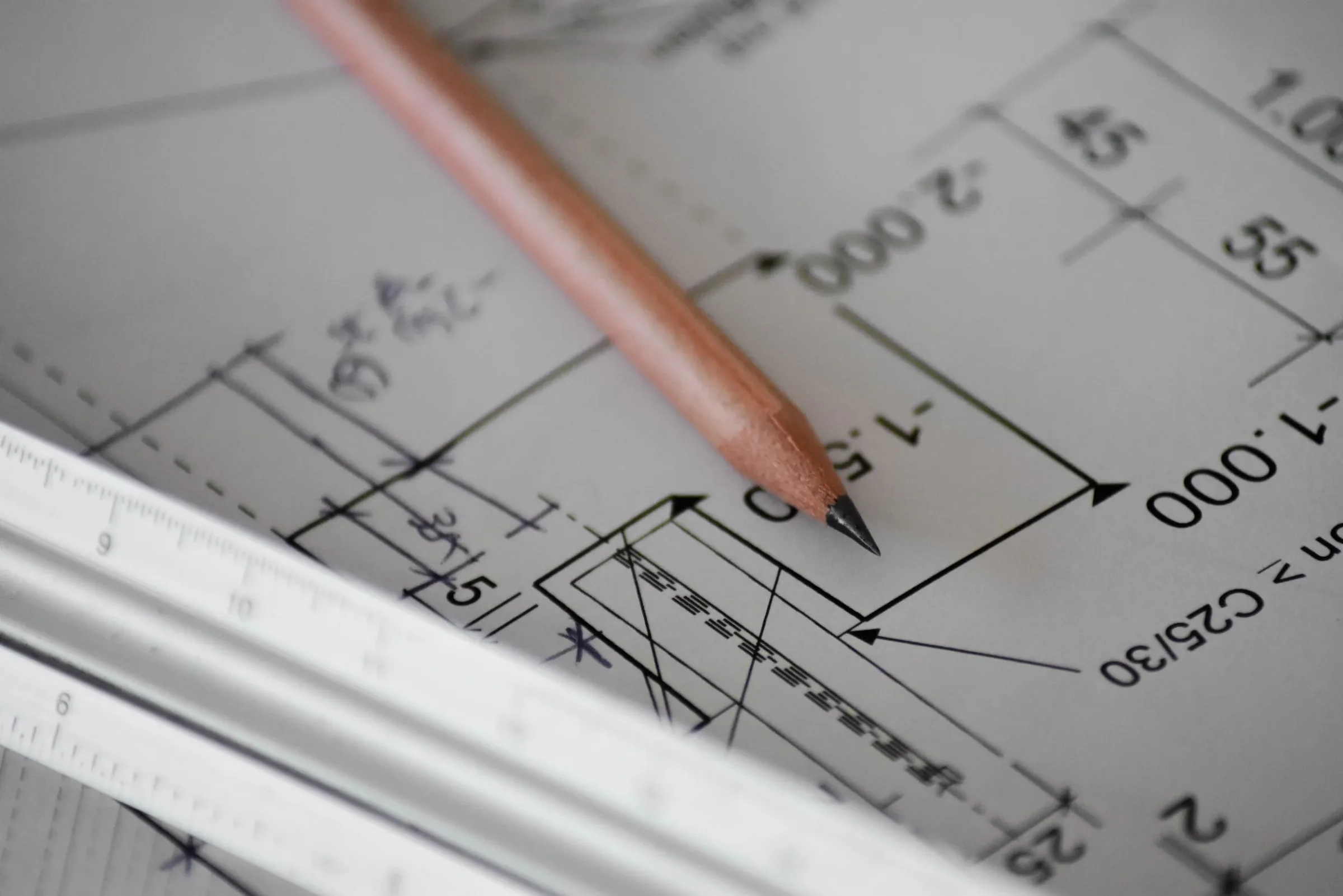
Development consulting and owner representation for commercial real estate.
Feasibility, entitlement, owner representation, and construction oversight for Southern California owners — from a firm that has been on the owner's side of the table since 1987.
Development consulting that keeps owner interests first.
Development projects have a lot of parties around the table. Architects, general contractors, subcontractors, entitlement counsel, lenders — every one of them is compensated for a job that isn't quite the owner's job.
For four decades, we have represented owners on that side of the table. Not the architect. Not the GC. Not the broker who wants a lease-up commission at the end. Our only job is that the owner ends up with the building they meant to build, on the terms they meant to build it on.
From feasibility through handoff.
Feasibility studies
Site feasibility, program feasibility, and financial feasibility — written before the owner commits real capital. Includes zoning, utility, capex, and preliminary construction-cost review.
Entitlement consulting
Municipal coordination, community input, and entitlement strategy across Orange County and LA jurisdictions. We've worked with most of them.
Owner representation
A principal on the owner's side of the table for the life of the project. Contract review, GC selection, weekly project oversight, change-order review, monthly owner reporting written for an owner, not a general contractor.
Construction project oversight
Weekly on-site oversight during construction — schedule, quality, safety, cost. Written project logs owners can hand to counsel or a lender at any point.
Contract and vendor negotiation
Owner-side negotiation of the GC contract, the design contracts, and the major vendor contracts. Written to protect the owner in the specific places these contracts usually fail.
Post-completion transition to property management
When the project is done, it becomes an operating asset. We hand the building off to the property management team with a full operations handoff, not a stack of binders.
Why owners want us on their side.
- Owner-side, every engagement
- We never sit on the GC side or the architect side. That posture matters when a change order is being negotiated and the owner needs someone in the room whose only job is their interest.
- Four decades of cross-cycle experience
- We've represented owners through every part of the Southern California cycle since 1987: high-rate years, low-rate years, high-supply years, and everything in between.
- Integrated with advisory and property management
- Development engagements that start as a strategic question live in our Real Estate Advisory practice. Projects that finish become operating assets in our Property Management practice.
- Industrial →
Ground-up warehouse, adaptive reuse, and complex-industrial developments across OC and LA.
- Corporate campuses →
Multi-building headquarters, phased development, and campus-scale delivery.
- Business parks →
Multi-tenant development and flex-space delivery.
When advisory work leads into development, it moves from our Real Estate Advisory practice into this one. When a project finishes, it moves into Property Management.
Catalina Island Conservancy — Trailhead Visitor Center.
The first LEED-certified building on Catalina Island. T.C. Collins ran owner representation for the Conservancy through design, permitting, and construction — a $13 million project on an island where every material had to arrive by barge and every trade had to be scheduled around ferry timetables.
Additional owner-representation engagements: Rose Gardens at Santa Teresita (a $100 million senior-living development in the LA basin) and the Harvey Mudd Teaching & Learning Center.
What owners ask us about development consulting.
When in a project should I bring in owner representation?
Feasibility. The most expensive mistakes on a development project are made before the LOI closes — site selection, feasibility scope, and the initial design contract shape everything downstream. If you're inside a live project without owner representation, we can also step in mid-stream; the cost of surprise is highest before construction and lowest after certificate of occupancy.What kinds of projects do you take on?
Ground-up commercial, adaptive reuse, complex additions, and specialty projects with regulatory oversight — LEED, USDA, and OSHPD-regulated builds are all in our history. We work across nonprofit / higher-ed, private, and family-office ownership.Do you have architects, engineers, and contractors on staff?
No, and that's deliberate. Owner representation means we sit on the owner's side of every contract — we don't compete with the design or trade partners, we hold them to the owner's brief. We assemble and manage the design and construction teams; we don't try to be them.How is your compensation structured?
A monthly retainer scaled to the project's complexity and phase — feasibility runs lighter, construction runs heavier. TODO(cmo): confirm whether we want to publish a rate range or keep this quote-per-engagement.Who is responsible for the schedule and budget on an owner-rep engagement?
Ultimately the owner, but our job is to make sure the owner has honest, timely visibility into both — schedule slip is caught in weeks, not quarters, and cost pressure is surfaced with the trade-offs so the ownership decision is real and not rubber-stamped.What happens when construction ends?
Handoff to operations. We coordinate the closeout — as-builts, warranties, O&M manuals, commissioning records — and hand the property to whichever manager will run it. If that manager is us, it moves into our [Property Management](/services/property-management) or [Specialty Facility Management](/services/specialty-facility-management) practice.