
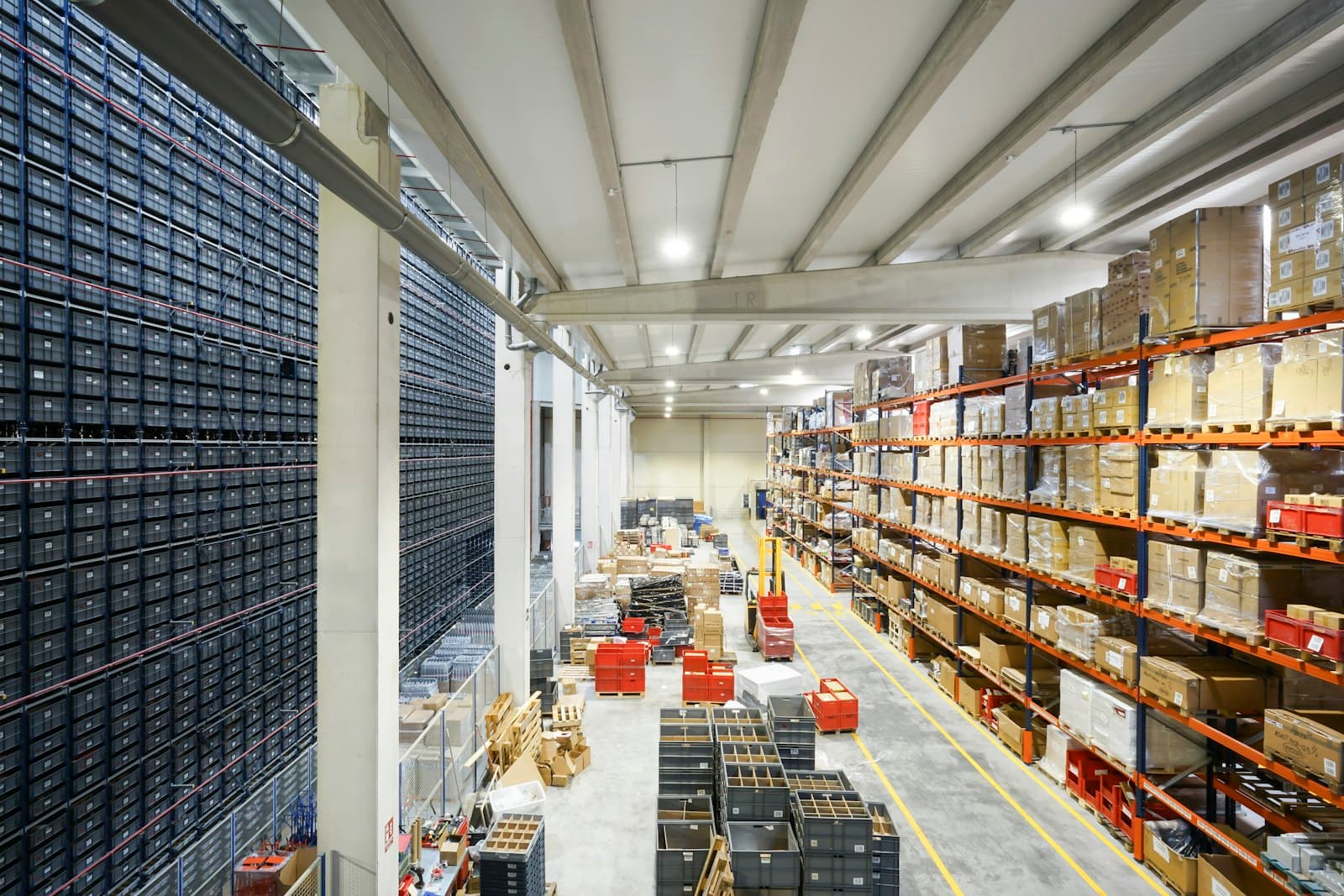
A commercial real estate perspective on cold-storage facility management
Refrigerated warehouses have four regulators. Here is what owners need to know before they buy, build, or lease.
By Timothy C. Collins · Published [date] · Reviewed [date] · ~10 min read
TL;DR
- Four regulators care about cold storage: FDA, USDA, OSHA, and local FSMA plans.
- Refrigeration compliance is a real-estate issue, not a WMS issue — it changes what you can lease and to whom.
- Temperature zones (freezer / cooler / ambient) drive tenant fit — mismatches kill deals.
- Owner rep on cold-storage transactions saves months of re-work when compliance surprises land late.
- Compliance is enforceable at the property level. Ownership carries the risk, not just the tenant.
Why cold storage compliance is a real-estate issue
Most people think of cold-storage compliance as a tenant problem. It is not. The tenant has to operate under a compliance regime, but the property itself has to be built and maintained to make that operation legal, safe, and insurable.
That distinction matters at every stage of the property's life. During acquisition, it is why a compliance surprise late in due diligence is one of the most expensive things that can happen to a cold-storage deal. During lease-up, it is why not every tenant with a food operation is a viable tenant for every refrigerated building. During operations, it is why an ammonia-central refrigerated facility is a very different management problem from a Freon-based cooler.
Owners who treat compliance as a real-estate issue get the outcomes they want. Owners who treat it as a warehouse-management-software issue end up managing crises. We have worked on both. This is our field guide.
Who regulates a refrigerated warehouse (FDA, USDA, OSHA, FSMA)
Four regulators care about a refrigerated commercial warehouse in the United States. Their jurisdictions overlap. Owners need to know all four.
FDA — Food and Drug Administration. The FDA regulates most food storage and distribution — anything that is not exclusively meat, poultry, or processed egg products. Cold-storage tenants who handle produce, dairy, frozen prepared foods, seafood (with some carveouts), and food packaging fall under FDA jurisdiction.
USDA — United States Department of Agriculture. The USDA regulates meat, poultry, and processed egg products. USDA jurisdiction is more prescriptive and more hands-on than FDA — USDA-inspected facilities have federal inspectors on-site during operations. A USDA-inspected refrigerated warehouse is a different animal from an FDA-registered one, both in operations and in the value of the building to a specific tenant profile.
OSHA — Occupational Safety and Health Administration. OSHA regulates the workers inside the building. In refrigerated warehouses, the OSHA regime that matters most is the ammonia-refrigeration process safety management (PSM) standard — 29 CFR 1910.119 — which applies when a facility holds more than 10,000 pounds of ammonia. That threshold is easily crossed on a large refrigerated warehouse and drives a very specific PSM compliance program at the facility level.
FSMA — the Food Safety Modernization Act. FSMA is technically an FDA framework, not a separate agency, but its Sanitary Transportation of Human and Animal Food rule and its Preventive Controls for Human Food rule reach into how food is stored and moved through commercial real estate. FSMA turns some historic food-safety practices into legally required, documented programs — and it makes many of those programs auditable at the facility.
There are also local and state regulators — California's OSHA (Cal/OSHA), local air-quality management districts (AQMD), and local fire codes — that layer on top of the federal regime. A Southern California refrigerated facility is under the federal regime and Cal/OSHA and the applicable AQMD and the city's fire code. All four apply simultaneously.
Temperature zones and what they mean for tenant fit
A refrigerated warehouse is not a single asset. It is a set of temperature zones, and each zone has a different tenant profile.
- Ambient — 55–70°F. General-purpose commercial storage. Wide tenant pool.
- Cooler — 34–40°F. Produce, dairy, prepared foods. Broad tenant pool but narrower than ambient.
- Freezer — 0°F or below. Meat, seafood, frozen distribution. Tenant pool is narrower still; capital cost per SF is materially higher.
- Blast freezer — -20°F to -40°F. Specialty. Very narrow tenant pool, highest capital cost per SF.
- USDA-inspected — an overlay on any of the above. A USDA-inspected zone must meet specific construction, sanitation, and inspection-access requirements. Not all cooler space is USDA cooler space.
Tenant fit is where compliance meets real estate. A produce distributor cannot use a blast freezer. A meat processor cannot use an ambient facility. A USDA-inspected tenant cannot use a facility that has not been built or converted to USDA-inspected standards. Mismatches between a tenant's compliance profile and a facility's zone map kill deals — sometimes very late.
We have watched owners lose six months on a deal because a facility zoning did not fit the tenant's operation. The zone map is the first thing we look at when we review a refrigerated asset with an owner.
Refrigeration compliance during acquisition or lease-up
A cold-storage acquisition has to underwrite compliance the way an office acquisition underwrites TI. If it does not, the surprises land in the last 60 days of diligence.
What to underwrite:
- Refrigeration system age, service history, and refrigerant type (ammonia, Freon variants, CO₂). Ammonia carries PSM obligations; refrigerant transitions are increasingly regulatory-driven (EPA HFC phasedown).
- USDA inspection status and any grants of inspection tied to a specific tenant. If the outgoing tenant's USDA grant does not transfer, the incoming tenant faces a re-grant process that can take months.
- FSMA and food-safety plan history — which tenants have had recalls, holds, or inspection findings on the facility.
- Cal/OSHA PSM compliance history for ammonia facilities. AQMD ammonia release history.
- Fire suppression system compatibility with cold-storage operations (frozen sprinkler systems require in-rack dry systems in many cases).
Owners who bring in a specialty facility manager during acquisition — before the LOI is signed — get an underwriting picture that a generalist broker cannot deliver. That is one of the reasons we run cold storage & food-related real estate as its own service line.
Ongoing compliance during operations
Once an owner is holding the asset, compliance is a monthly and quarterly rhythm, not an annual audit. The rhythm includes:
- Monthly refrigeration system inspection and preventive maintenance
- Quarterly PSM element reviews (mechanical integrity, management of change, operating procedures) for ammonia facilities
- FSMA preventive controls records reviewed with each tenant
- Fire-suppression system testing on the calendar the local jurisdiction requires
- USDA sanitation and construction re-verifications when tenants change or expand zones
The specific rhythm depends on the facility and the tenants. What is universal is that ownership is on the hook. A tenant can fail an inspection; ownership can be cited for the building conditions that made the failure possible.
When to bring in owner representation
Cold-storage owners bring us in at three inflection points most often:
During acquisition. Underwrite compliance before the LOI closes, so the deal closes on facts, not surprises.
During lease-up or a tenant transition. Zone fit, USDA transferability, and PSM implications of a new tenant's operation.
When a compliance surprise lands mid-hold. A cited PSM element, an FSMA finding at a tenant, a refrigerant transition triggered by regulation. Owner representation reduces the cost of surprise.
Some clients keep us on retainer because their portfolio is entirely refrigerated. Some engage us project-by-project. Both models work; what does not work is engaging a generalist commercial broker or a warehouse-management vendor to advise on facility-level compliance. The role is different.
FAQ
What regulators care about a refrigerated warehouse? FDA, USDA, OSHA, and the FSMA framework at the federal level, plus Cal/OSHA, the applicable AQMD, and local fire codes in California. All apply simultaneously.
What is the difference between FDA and USDA jurisdiction for cold storage? FDA covers most foods (produce, dairy, prepared foods, seafood with carveouts, food packaging). USDA covers meat, poultry, and processed egg products — with on-site inspectors and more prescriptive facility requirements.
What is FSMA and how does it affect commercial real estate decisions? FSMA is an FDA-administered set of rules — most notably Preventive Controls for Human Food and the Sanitary Transportation Rule — that turn food-safety practices into required, documented, auditable programs. It reaches the facility level through storage and transportation requirements.
What are typical temperature zones in a refrigerated facility? Ambient (55–70°F), cooler (34–40°F), freezer (0°F or below), and blast freezer (-20°F to -40°F). USDA-inspected zones can overlay any of these.
Who is responsible for compliance in a leased cold-storage facility — landlord or tenant? Both. The tenant is responsible for their operation under FDA/USDA/FSMA. The landlord is responsible for the building conditions — refrigeration system integrity, PSM program for ammonia, fire suppression, USDA-construction standards where they apply. Well-drafted leases specify each side's obligations; ambiguity is the enemy.
What compliance risks are most often discovered late in an acquisition? Refrigerant transition timing (HFC phasedown), USDA grant non-transferability, PSM element deficiencies on ammonia facilities, and fire-suppression system incompatibility with cold-storage rack systems.
Author
Timothy C. Collins · Founder & CEO, T.C. Collins & Associates Four decades in Southern California commercial real estate. Cold-chain compliance experience anchored in a decade of asset management for the Guardian Life Insurance refrigerated portfolio in Commerce and Industry, plus ongoing management of USDA food-manufacturing sites in Vernon.
Credentials: Four decades CRE · Owner-side representation · Cold-chain compliance
Related from Insights
- When you need an owner's representative on a commercial development project
- Industrial facility compliance: a Southern California owner's checklist
- Family offices and commercial real estate — an asset management view
Continue: Specialty Facility Management
If you own a refrigerated or cold-storage facility in Southern California and want to talk through compliance, tenant fit, or a specific engagement, our cold storage & food-related real estate practice is built for it.
[CTA primary → Talk to us about cold-storage facility management → · /contact?intent=management]
About the author
Timothy C. Collins
Tim founded T.C. Collins & Associates in Newport Beach in 1987 and has led the firm across all five practice areas ever since — with particular depth in industrial and refrigerated cold storage across Orange County and Los Angeles.
Four decades CRE · Owner-side representation · Family-office informed