
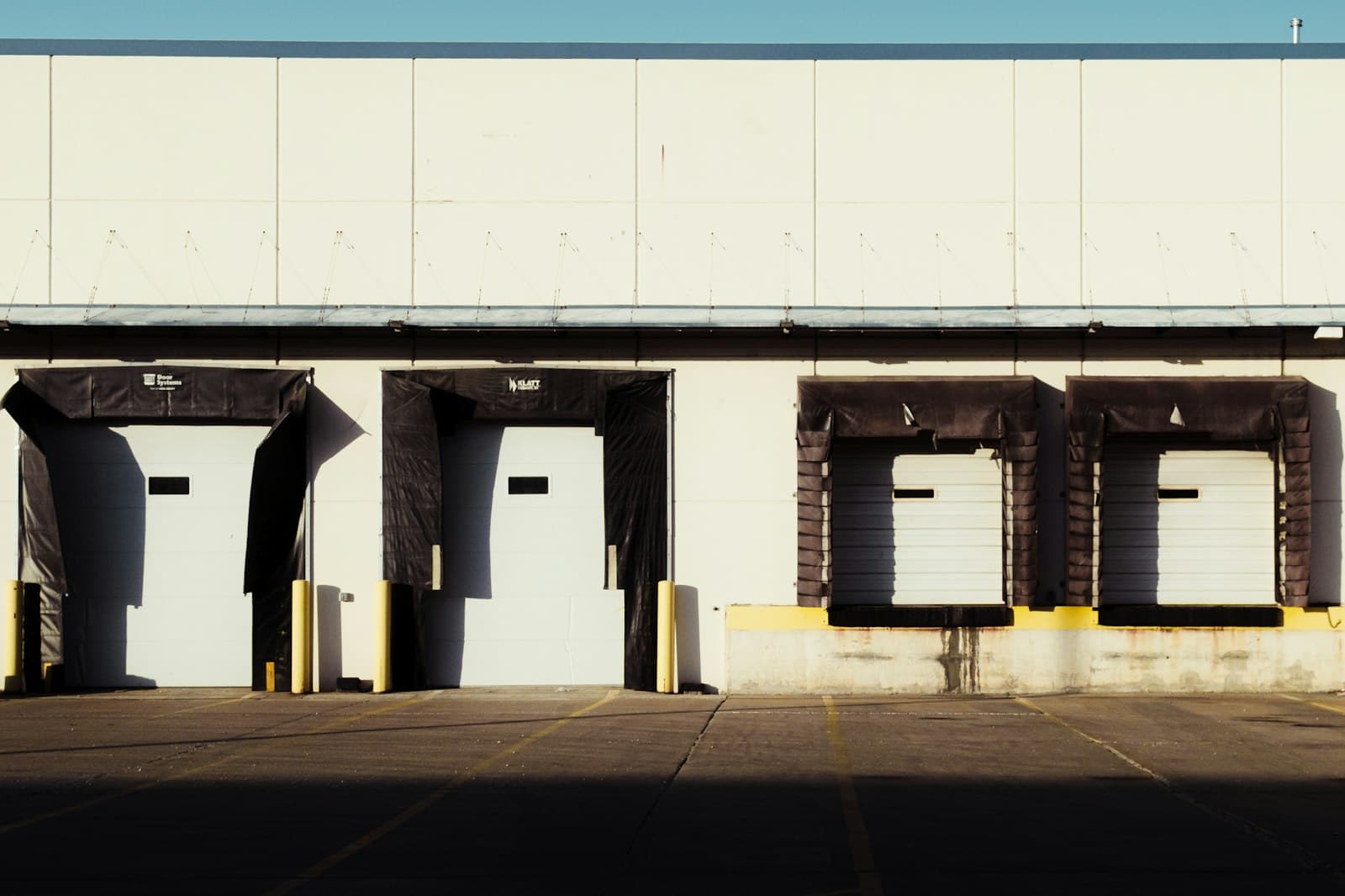
Industrial facility compliance — a Southern California owner's checklist
Fire safety. OSHA. AQMD. Local jurisdictions. What an industrial owner needs to keep in view — and what a specialty facility manager watches on your behalf.
By Timothy C. Collins · Published [date] · Reviewed [date] · ~7 min read
TL;DR
- Industrial compliance in Southern California has four separate regulators — none of them talk to each other.
- Ownership carries the compliance risk at the property level, even when a tenant operates the space.
- Fire, OSHA, AQMD, and local jurisdictions each surface at different points in the property's life — build, occupancy, operation, sale.
- Most compliance surprises are avoidable with a review cadence and a facility manager who watches the whole board.
Why industrial compliance is an ownership issue, not a tenant issue
There is a persistent instinct among industrial owners to treat compliance as a tenant problem. The tenant operates the space, the reasoning goes; the tenant has the hazardous materials, runs the forklifts, emits into the air. Let the tenant carry the compliance load.
The instinct is wrong. Ownership carries the compliance risk at the property level. If the building is not built to code, if the fire suppression is out of date, if the AQMD permit was never renewed for the current operation, exposure lands on ownership regardless of what the lease says the tenant is responsible for. Insurance carriers know this. Buyers doing due diligence know this. The regulators certainly know this.
Below are the four compliance areas most likely to surprise a Southern California industrial owner, when each one tends to surface, and what an experienced specialty facility manager watches on the owner's behalf so the surprises are avoided.
Fire safety — the one that always shows up first
Fire is the regulator that shows up first because it is the regulator most likely to show up unannounced. Local fire marshals do walk-throughs. Insurance carriers require re-certifications. Tenants change operations and trigger re-review. All of it lands on the property, not on the tenant.
The industrial-fire-safety board an owner has to watch:
- Sprinkler design vs. current tenant use. A building sprinklered for ordinary-hazard occupancy is not compliant for a high-piled combustible storage tenant. Very common surprise in Southern California industrial. If a lease is being signed with a new tenant, the sprinkler design has to be reviewed against the tenant's proposed use before the lease is signed — not after.
- Fire pump testing and certification. Annual, and the certificate matters. Insurance renewals ask for it.
- Egress width and marking. Racking layouts change over the tenant's occupancy. Egress compliance can drift without anyone noticing until an inspector notices.
- Fire-lane maintenance and marking. The lane has to be clear, marked, and enforced. This gets sloppy on multi-tenant industrial parks.
- Hazardous material storage locations and quantities. Tenants add product lines. Quantities creep. Storage locations shift. The fire department cares about all of this.
A facility manager who is watching fire compliance stays ahead of the annual inspection cycle, reads the current fire code as tenants change occupancy, and flags the sprinkler-design conversation before the lease is signed — not after the fire marshal writes it up.
OSHA — the workplace-safety layer under the roof
OSHA in an industrial building is a shared surface between the tenant (as employer) and the owner (as landlord and, at times, controlling employer of building common areas). The tenant's operations trigger most of the OSHA obligations. But the owner's building has to make compliance possible — and there are several categories where the owner is directly responsible.
The OSHA board an owner has to watch:
- Building egress, guardrail, and platform compliance in common areas. Loading docks, mezzanines, roof access, any interior shared circulation. Owner's responsibility.
- Machine-guarding and lock-out/tag-out on owner-supplied equipment. Package HVAC, dock levelers, dock lights, exhaust fans — if the owner supplies it, the owner is on the hook for guarding and LOTO.
- Confined space marking. Sumps, roof pits, mechanical rooms. Marking and signage sit with the owner.
- Powered industrial truck coordination. If the tenant runs forklifts and the owner runs a dock-and-yard operation, coordinated safety expectations have to be in the lease. Otherwise both parties think the other one is compliant.
- Recordkeeping for capital work. Owner-side construction, roof work, HVAC replacement — permits, contractor safety records, close-out documentation. All of it can be requested in a subsequent OSHA action.
A specialty facility manager who is watching OSHA keeps the owner's building compliant — separate from the tenant's operations compliance — and flags the coordinated-responsibility items in the lease review, so the shared surface with the tenant is clearly defined before it matters.
AQMD — the Southern California layer that catches out-of-region owners
Owners who come to Southern California industrial from other regions consistently underestimate the South Coast Air Quality Management District. AQMD is a regional regulator without a direct analog in most other parts of the country, and its permits reach further than most owners realize.
The AQMD board an owner has to watch:
- Permits on emission sources tied to the building. Boilers, ovens, paint booths, cooling towers of a certain size, refrigeration on certain refrigerants. If the equipment is in the building and the source is permitted, the permit follows the building — and the owner needs to know the permit inventory whether or not the tenant is currently operating that source.
- Permit renewals and Rule 1147/1146 compliance. Renewals are on a fixed cycle. Missing one triggers a compliance event and a re-permitting process that is far more expensive than the renewal would have been.
- Change-of-use notifications when a tenant swap changes the emission profile. A new tenant with different equipment can trigger a permit modification. This tends to be missed at lease signing.
- Portable equipment brought on site. Tenants sometimes bring in portable emission sources — generators, temporary boilers, portable dust collectors — under their own AQMD registration. The owner still has an interest in knowing what is on the property.
- Refrigerant reporting for certain refrigerated buildings. Where applicable, AQMD reporting overlaps with EPA refrigerant management. Both apply. Both matter.
A facility manager who watches AQMD keeps the permit inventory current, tracks renewals against a calendar, and flags emission-source changes at lease signing — before the tenant moves in and the source is discovered by inspection.
Local jurisdictions — the layer that varies block by block
The fourth compliance surface is the one that varies most and gets underestimated for that reason. Local jurisdiction — city planning, city building department, city fire, county health, county sheriff on some property types — is where the specifics of the property's actual location shape what is legal and what is not.
The local-jurisdiction board an owner has to watch:
- Zoning and permitted use. A tenant's stated use has to align with the zoning; if it does not, a use permit process is on the critical path. The lease should be contingent on it.
- Business licensing tied to the property. Some cities require a business license for the property that follows tenant turnover. Missing this triggers back-license and penalty.
- Trash and materials handling. Cities have specific requirements for industrial waste, recycling, and materials handling. Non-compliance surfaces at inspection.
- Parking and truck-routing conditions of approval. Older industrial properties often carry conditions of approval on parking and truck circulation that have to be re-referenced when a tenant changes use or intensity.
- Signage, lighting, and exterior storage rules. Very jurisdiction-specific. Enforcement varies from courtesy notice to red-tag depending on the city.
- Neighbor and complaint patterns. In some jurisdictions, a single unresolved neighbor complaint kicks the property into an ongoing code-enforcement file. Once a file is open, everything the owner does is subject to scrutiny.
A specialty facility manager who watches local jurisdiction knows which cities in the Southern California footprint are aggressive and which are hands-off, knows the property's specific conditions of approval and business licenses, and flags jurisdictional risk during the tenant-selection conversation — before the lease is on the table.
What a specialty facility manager actually does
Every one of the four compliance areas above requires attention on a different cadence, from a different regulator, with different documentation. No single tenant relationship, no single vendor, and no single quarterly review covers all four.
The value of a specialty facility management practice is that all four surfaces are watched by one team, on behalf of the owner, on the cadence each regulator actually requires. Fire and OSHA are running quarterly. AQMD permits are managed against renewal dates. Local jurisdiction is watched at lease signing, at tenant improvement, and at any exterior change.
That coordinated view is what most industrial owners hire us for. It is not the tenant's job to protect the owner's compliance position. It is not the leasing broker's job. It is not the insurance broker's job either — they will price the risk, not manage it.
Talk about your industrial property
If you own industrial property in Southern California and the compliance board above is longer than you have someone actively watching, we should talk.
Author
Timothy C. Collins · Founder & CEO, T.C. Collins & Associates Tim founded T.C. Collins & Associates in Newport Beach in 1987 and has led the firm across all five practice areas ever since — with particular depth in industrial and refrigerated cold storage across Orange County and Los Angeles.
Credentials: Four decades CRE · Owner-side representation · Family-office informed
Related from Insights
- A commercial real estate perspective on cold-storage facility management
- Property management best practices for long-hold owners
- When you need an owner's representative on a commercial development project
Continue: Specialty Facility Management
Our cold storage & food-related real estate practice is designed for industrial and refrigerated buildings where the compliance surface is larger than a general property manager can cover. Upstream, our acquisitions & due diligence work supports acquisition and disposition decisions on industrial assets across Southern California.
[CTA primary → Talk about your industrial property → · /contact?intent=cold-storage]
About the author
Timothy C. Collins
Tim founded T.C. Collins & Associates in Newport Beach in 1987 and has led the firm across all five practice areas ever since — with particular depth in industrial and refrigerated cold storage across Orange County and Los Angeles.
Four decades CRE · Owner-side representation · Family-office informed